
2009
Supplementary-school roots
The school story begins with Russian supplementary education in the UK, before Volna moved into a fully online format.
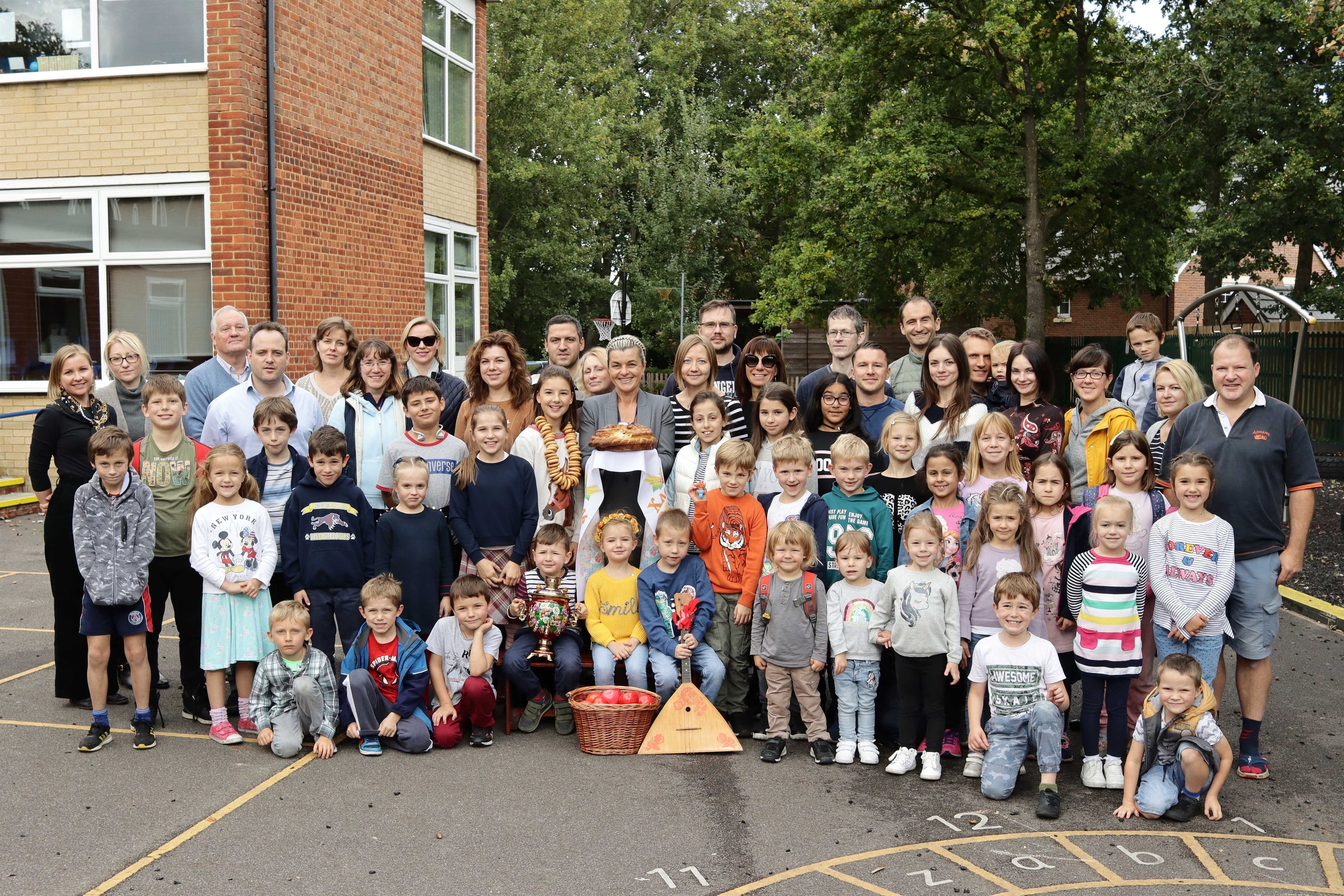
About Volna School
Explore how years of UK Russian supplementary-school teaching grew into a warm online school for children, exam students, and adult learners.
At a glance
2009
The school story begins with Russian supplementary education in the UK, before Volna moved into a fully online format.
2020
Volna's online model grew during the pandemic and remains central to the way lessons are delivered.
4
Children's classes, GCSE, A-Level, and adult tuition are presented as connected but distinct pathways.
UK
Older learners are supported with GCSE and A-Level preparation, mock practice, and practical exam planning.
Welcome
Volna is built for families and learners who want Russian lessons with structure rather than guesswork. Before a learner joins, the first conversation and trial lesson help match them to a suitable route.
That route may be a bilingual children's group, a beginner-friendly Russian as a Foreign Language class, an exam preparation pathway, or individual tuition for a specific goal.
The shared aim is simple: students should understand what they are learning, feel supported by their teacher, and see steady progress over time.
Mission
Volna School aims to combine qualified teaching, careful placement, regular feedback, and practical online routines so learners can build fluency, literacy, and exam confidence from wherever they study.
01
Families begin with a trial or consultation so the teacher can understand age, level, confidence, and goals.
02
Lessons use live teaching, homework, feedback, and regular practice rather than passive self-study.
03
Children can build toward GCSE when ready, while older learners can move from language foundations into exam technique.

Values
These are the everyday standards behind placement, lessons, feedback, and communication with families.
Clear standards, thoughtful planning, and steady progress.
Routes for bilingual learners, beginners, exam students, and adults.
Honest guidance about level, course fit, fees, and next steps.
Communication between teachers, learners, and families.
A calm environment where learners can speak, ask, and improve.
A bilingual school identity that respects both English and Russian contexts.
History
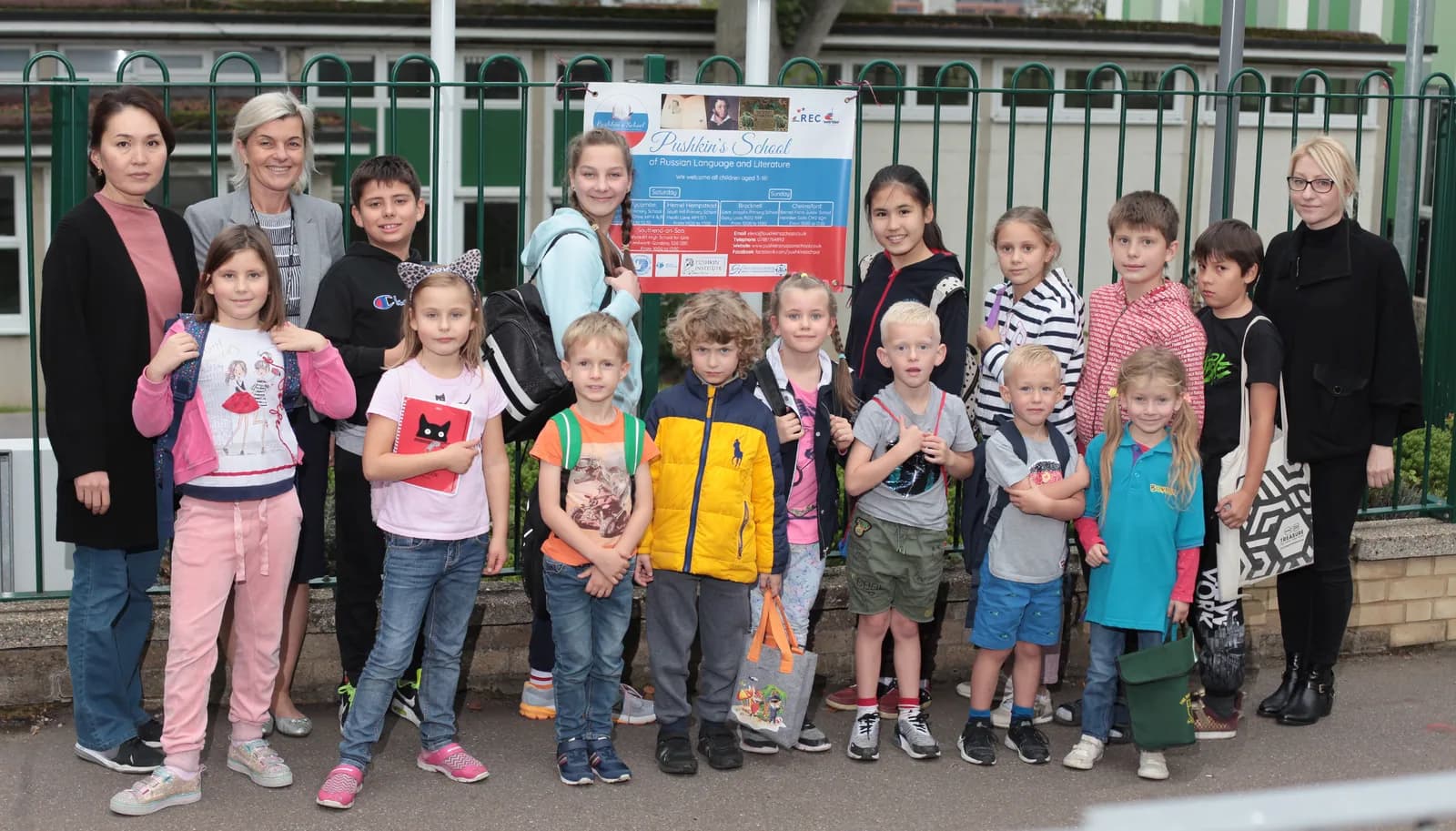
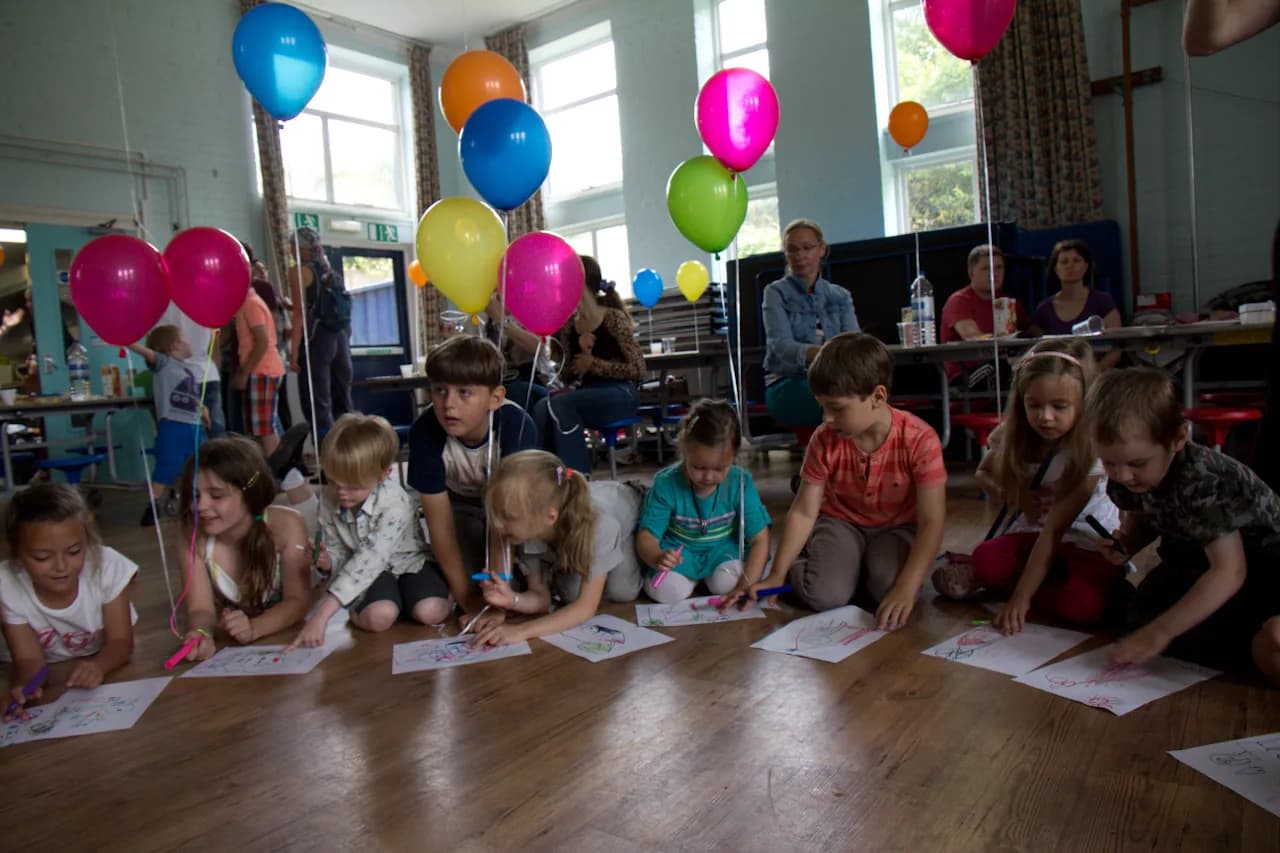
Volna's public story starts with weekend Russian teaching in the UK and develops into a school designed around online lessons, careful placement, and course routes for different ages.
School timeline
2009
The school story begins with weekend Russian language and literature teaching for children in the UK.
2014
The programme was developed with a stronger staged curriculum for children's language, literacy, and cultural learning.
2020
The online format became the central model, making live Russian lessons accessible to families beyond one local classroom.
Now
Volna now presents linked routes for children, GCSE, A-Level, and adults, with placement guidance before enrolment.
Curriculum
The curriculum is presented as a set of related pathways: children build foundations and bilingual confidence, exam students work toward specification demands, and adults study around practical goals.
A connected pathway, not a course catalogue
The same placement logic links the whole school: start with the learner's level, choose the route, then keep progress visible through lessons, homework, and feedback.

01 / Curriculum
Foundations, literacy, speaking confidence, culture, and progression toward later exam study.

02 / Curriculum
Specification-aware preparation, homework, feedback, exam technique, and confidence.
03 / Curriculum
Flexible foundations, conversation, reading, culture, travel, family, or professional goals.
Class selection
Families can start with a course page or go straight to a free trial lesson. The first conversation confirms level, confidence, and the right lesson format.
 01Children's ClassesBilingual, beginner, and private Russian lessons for children.
 02GCSE CoursesExam practice, mock support, and a clear GCSE route.
 03A-Level CoursesAdvanced essays, speaking, cultural study, and IRP support.
 04Adult CoursesFlexible private Russian lessons shaped around real goals.
Not sure which route fits?
Use the free first lesson to check level, confidence, schedule, and whether group or private support is the right next step.